Running a Household
Presents in and presents out: the gift admin nobody budgets for
Between birthdays, festivals and other children’s parties, a family with two children handles a startling number of gifts a year. None of it is in anyone’s plan.
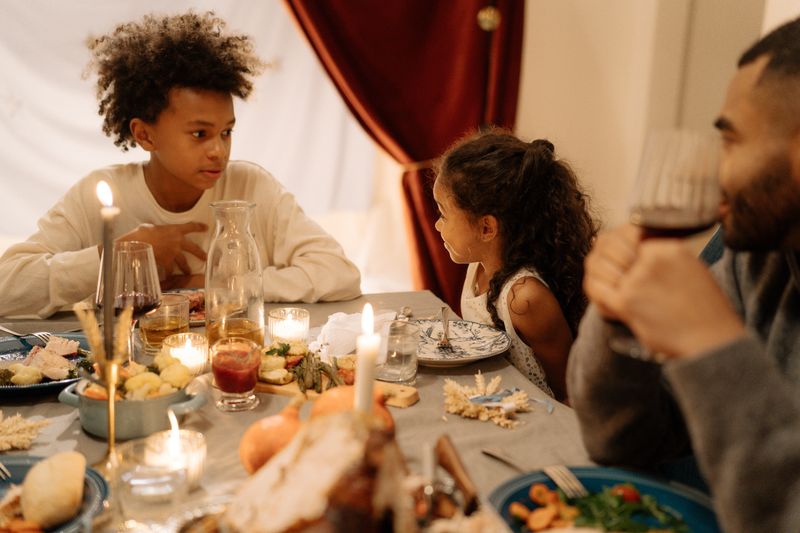
There is a settled way of talking about presents and gifts. It is worth asking how much of it survives contact with the detail.
The argument in brief
- Outgoing party gifts are a recurring cost that is rarely budgeted for.
- Incoming gifts arrive in bursts and create a storage problem immediately.
- A stocked gift box removes the most expensive form of gift buying.
The outgoing side is a real cost
A child in a class of thirty may be invited to a substantial number of parties in a year, each requiring a gift and often a card. Bought individually and usually at short notice, those gifts cost far more than the same items bought deliberately in advance.
Nobody budgets for this because it arrives as a series of small unrelated decisions rather than as a single annual figure. Working out the rough annual total once is uncomfortable and immediately changes how the next twenty are bought. Households with several children find the number multiplies, and the cost becomes one of the larger discretionary items in the year.
The gift box solves most of it
Buying a small number of suitable items when they are cheap, and keeping them in one place, removes the emergency purchase entirely. Books, craft materials and games that suit a wide age range are the items that keep best in a box of this kind.
Keeping wrapping paper, cards and tape in the same place is what makes the system fast enough to actually use. The box needs restocking rather than replenishing on demand, and doing that once or twice a year is enough. The saving comes from buying calmly rather than from buying cheaply, which is a distinction worth being clear about.
What to give, and the awkward questions
Party invitations rarely say what is wanted, and asking the other parent directly is normal and generally welcomed. Some families ask for no gifts or for a contribution to something, and taking that at face value is usually correct. Where money is tight, a modest gift given confidently is entirely acceptable, and the escalation is driven by adults rather than children.
Group gifts organised between several families work well and require somebody willing to coordinate, which is the reason they often do not happen. For older children, vouchers and money are common in some places and considered impersonal in others, and the local convention is worth following.
The incoming pile
Gifts arrive in concentrated bursts around birthdays and festivals, which creates a storage problem on exactly the day nobody wants to deal with one. Opening everything at once means very little of it registers, and some households now spread the opening across a day or two. Recording who gave what at the time is the only method that works, because reconstructing it afterwards is genuinely impossible.
Thanking people promptly is easier when the record exists, and a short message sent quickly is worth more than an elaborate one sent late.
A clear-out before the occasion rather than after it is the version that actually happens, because afterwards nobody has the energy.
Managing what relatives give
Relatives frequently want to give something substantial, and the household is the one that has to store it and eventually dispose of it. Suggesting specific things, or experiences, or a contribution towards something larger, works far better than a general request to give less. Grandparents in particular often welcome direction, because choosing something for a child they see occasionally is genuinely difficult.
Where a gift is unsuitable for space or safety reasons, saying so early is easier than dealing with it silently every year. Money given to children raises the question of what it is for, and agreeing that in advance prevents an argument later.
Keeping the year visible
Putting every birthday, festival and recurring occasion into the family calendar at the start of the year prevents the late realisation. A reminder a week ahead is enough time to use the gift box rather than the nearest shop on the way to the party.
A rough annual amount, decided once, makes each individual decision faster because the size of the gift is already settled. Reviewing at the end of the year what was actually spent is uncomfortable and is the thing that changes behaviour. The aim is not to spend less on children but to spend less on urgency, which is where most of the money currently goes.
The takeaway
Keep a stocked gift box, record what arrives as it arrives, and put the whole year in the calendar in January.
You are allowed to do the easier version tonight.
Questions readers ask
How much should we spend on a party gift?
Local convention varies and children notice far less than adults assume. Decide a rough amount once for the year so each individual decision is already made.
How do we stop relatives giving so much?
Direction works better than restriction. Suggest specific items, experiences or a contribution towards something larger, and raise anything unsuitable early rather than every year.
Also by Rosalind Achebe
- Teenagers pull away on schedule, and it is not about youTeenagers
- The mental load is a scheduling problem with a nameRunning a Household
- Feeding a family on a week that keeps changingRunning a Household
- Revision that works, and the kind that only feels like workTeenagers