Running a Household
Everything a child outgrows has to go somewhere
A family home accumulates faster than it releases, and the outflow is a decision nobody has made. That is why the house fills up regardless of how much is bought.
Treat the sections below as a sequence. With outgrown belongings, getting the early decisions right makes the later ones much easier.
Before you start
- Inflow is continuous while outflow requires a deliberate decision each time.
- Storage postpones a decision rather than resolving it.
- Sorting at the moment of outgrowing is faster than sorting in bulk later.
The arithmetic of a family home
Clothes, toys, books, equipment and school work arrive continuously, from purchases, gifts, hand-me-downs and school itself. Almost none of that leaves without somebody deciding that it should, which makes outflow an act of will and inflow automatic.
The result is a house that fills steadily even in households that buy very little, which is why the usual advice about shopping less misses the point. Treating outflow as a routine rather than a periodic crisis is the only arrangement that keeps pace with the inflow. A small regular release is considerably easier than the occasional weekend that everybody dreads and postpones.
Storage postpones the decision
Putting outgrown items into storage feels productive and is usually a way of deferring a decision to a future person who will find it harder. Stored items lose value, go out of condition and are frequently forgotten, which means the decision gets made eventually by default. Keeping things for a possible future child is legitimate and works far better with an explicit limit on how much and for how long.
A box with a date on it, reviewed when that date arrives, converts vague storage into a decision that will actually be made. Space in a family home has real value, and storing low-value items in it is a cost that never appears anywhere.
Sort at the moment of outgrowing
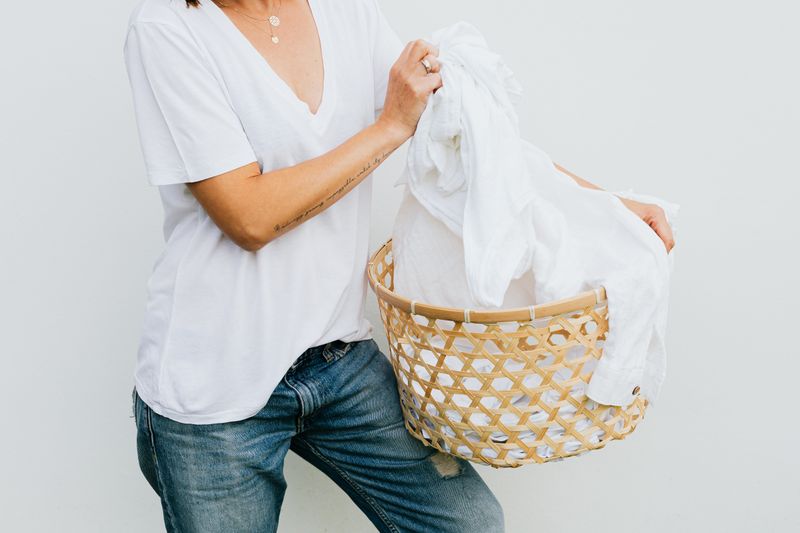
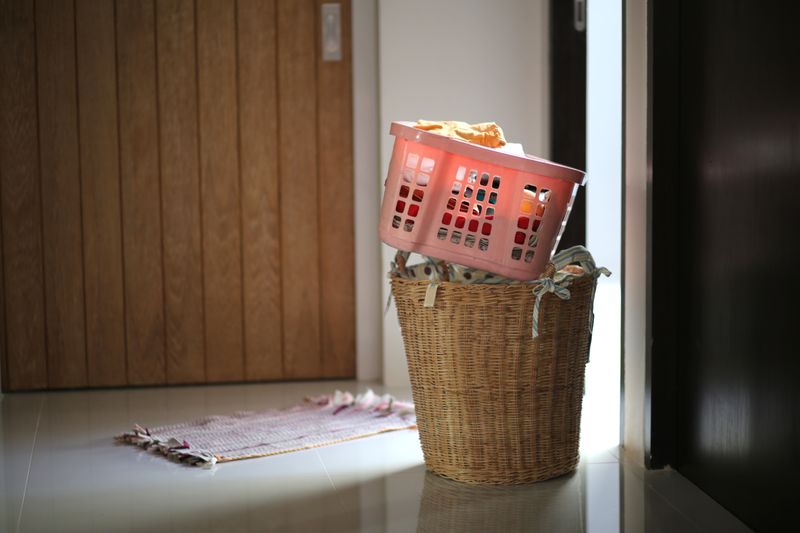
The cheapest moment to make the decision is when something is discovered not to fit or not to be used, because the information is right there. A bag kept permanently somewhere accessible, into which outgrown items go immediately, removes the need for a separate sorting session.
When the bag is full it leaves the house, and that single rule is what distinguishes a working system from a pile in a corner. Doing it this way means nobody ever has to review an entire wardrobe, which is the task everybody avoids. The same approach works for toys and books, though those need the child involved rather than done around them.
What children get a say in
Removing a child’s belongings without their knowledge damages trust and is noticed far more often than adults expect. Involving them works better with a limited, concrete decision, such as choosing what leaves to make room for something arriving. Many children find it much easier if the destination is named, particularly if the items are going to somebody specific.
On a normal day, keeping a small number of things purely for sentimental reasons is entirely reasonable, and naming that category prevents it expanding to include everything.
A box each, with a fixed size, is a common arrangement that resolves most of the argument before it starts.
Where things actually go
Passing on to a named family, a local group or an organised sale is faster and more reliable than listing items individually online. Selling makes sense for a small number of high-value items and rarely repays the effort for a bag of ordinary clothes. Donation requirements differ by organisation and by country, particularly for anything with a safety standard attached, so it is worth checking before delivering a car full.
Over a term, recycling routes exist for textiles and some equipment in many areas, and they differ locally enough to be worth looking up once. The decision that matters is that it leaves the house on a specific day, because anything waiting for the right destination usually stays.
If you are worried about development or behaviour, a professional opinion beats an article.
The paper problem
School work, drawings and craft arrive faster than any other category and are the hardest to discard for obvious reasons. Photographing a small selection and keeping a very small number of originals is the compromise most households eventually arrive at. A single folder per child per year, with a fixed capacity, forces the selection while it is still easy to make.
Over a term, doing it at the end of each school year, while it is still clear what anything was, is considerably easier than doing it later. Anything genuinely meaningful is usually a small number of items, and keeping everything makes those harder to find rather than safer.
The takeaway
Keep a permanent outgoing bag, empty it when it is full, and put a date on anything you store.
You are allowed to do the easier version tonight.
Questions readers ask
How do we decide what to keep for a future child?
Set an explicit limit on volume and a date to review it. A dated box is the difference between a decision deferred and a decision that will actually get made.
Should children be involved?
Yes for their own belongings, with a limited concrete choice rather than an open review. Removing things covertly is noticed more often than parents expect and costs trust.
Also by Rosalind Achebe
- Teenagers pull away on schedule, and it is not about youTeenagers
- The mental load is a scheduling problem with a nameRunning a Household
- Feeding a family on a week that keeps changingRunning a Household
- Revision that works, and the kind that only feels like workTeenagers