Running a Household
Chores that are actually worth the argument, by age
Small children want to help and are useless at it. Older ones are capable and unwilling. The window between those two closes earlier than most households notice.

Treat the sections below as a sequence. With children and chores, getting the early decisions right makes the later ones much easier.
Before you start
- The enthusiasm window is in the preschool years, when the help is slowest.
- Owning a whole task teaches more than assisting with one.
- Paying for basic contribution converts it into something optional.
The enthusiasm window is early
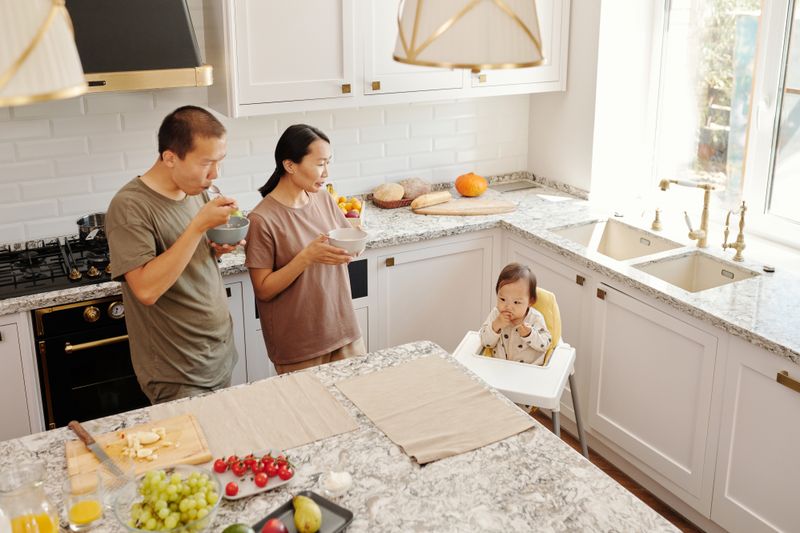
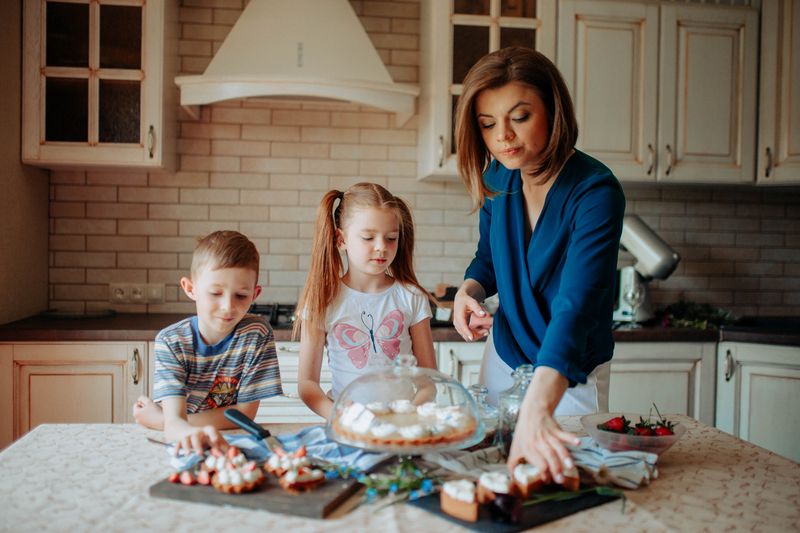
Toddlers and preschoolers actively want to sweep, wash up and carry things, at exactly the age when their help makes everything take twice as long. Turning them away because it is faster alone is the rational short-term choice and the expensive long-term one. Children who have always done it do not experience it as a new imposition at eleven, which is when the imposition becomes contested.
The investment is measured in a few slow years and returns for a decade.
Owning beats helping
Being asked to help with the bins leaves the remembering, timing and noticing with the adult, which is most of the work. Owning the bins entirely, including knowing which night, transfers the part that actually matters.
The transfer only holds if the task is genuinely released, including the right to do it differently and slightly worse. One owned task teaches more than five assisted ones.
Match the number of steps, not the strength
What limits a young child is how many steps they can hold in mind, not whether they can physically manage it. Breaking a task into a visible sequence, or reducing it to one step, is what makes it achievable at four rather than at nine.
Put your plate on the side is a different task from clear the table, and confusing the two produces a child who appears uncooperative. A picture list on the wall does the reminding, which removes the adult from the nagging role entirely.
Pocket money and the wage problem
Paying for basic household contribution reframes it as a job, which creates a right to decline it when the money is not needed. Most households that think about this settle on an unpaid baseline, because you live here, plus optional paid extra jobs. The evidence base for any particular arrangement is thin, so this is reasoning about framing rather than a finding.
Whatever the arrangement, saying it explicitly prevents a running negotiation every Saturday.
The standard will be lower
Work redone in front of a child communicates precisely one thing, and they stop offering. Accepting a badly made bed is the price of a child who makes beds, and the standard improves with repetition rather than with correction. Feedback on one specific thing occasionally works; a full critique after each attempt does not.
When it is going badly, this is the same lesson as delegating anything to another adult, and it fails for the same reason.
The list for leaving home
Laundry from start to put away, four or five meals cooked from scratch, using a bank account, booking and attending an appointment alone, and filling in a form. Most of these are taught by accident or not at all, and then discovered to be missing in the first month away. Deliberately handing them over in the last two years at home, one at a time, is far kinder than expecting them to be absorbed.
Letting them do it badly, at home, where the consequences are small, is the entire point of doing it early.
The takeaway
Let them help while they still want to, hand over whole tasks, and stop redoing the work in front of them.
You are allowed to do the easier version tonight.
Questions readers ask
What age should chores start?
As soon as they want to join in, which is usually well before they are useful. The tasks change; the expectation of contributing is easiest to establish when it was never introduced as new.
They just refuse. What then?
Check whether the task is too many steps, whether the timing collides with something, and whether it is genuinely theirs or a request for help. Persistent refusal is usually one of those three rather than principle.
Also by Rosalind Achebe
- Teenagers pull away on schedule, and it is not about youTeenagers
- The mental load is a scheduling problem with a nameRunning a Household
- Feeding a family on a week that keeps changingRunning a Household
- Revision that works, and the kind that only feels like workTeenagers