Running a Household
A house with children in it costs more to run, and here is where
The extra cost is rarely in the things people budget for. It is in hot water, laundry cycles, heating a house that is occupied all day, and replacing things sooner.

Most explanations of running costs of a family home stop at the point where it starts to matter. This one carries on.
The short version
- Occupancy patterns change utility use more than the number of people does.
- Wear on fittings and appliances accelerates with household size and use.
- Tariffs, support schemes and efficiency measures differ by country.
Occupancy is the hidden variable
A house that was empty during the day becomes a house that is occupied, heated and lit for most of it, which changes the bill more than an extra person does. School holidays, illness and any change to working patterns all shift the occupancy pattern, and the cost follows immediately. This is why households are frequently surprised by a bill that does not match the number of people who moved in.
Understanding it as an occupancy change rather than a per-person one makes the useful adjustments obvious. Where and when heat is actually needed becomes a more useful question than the general target temperature.
Water, laundry and the machines
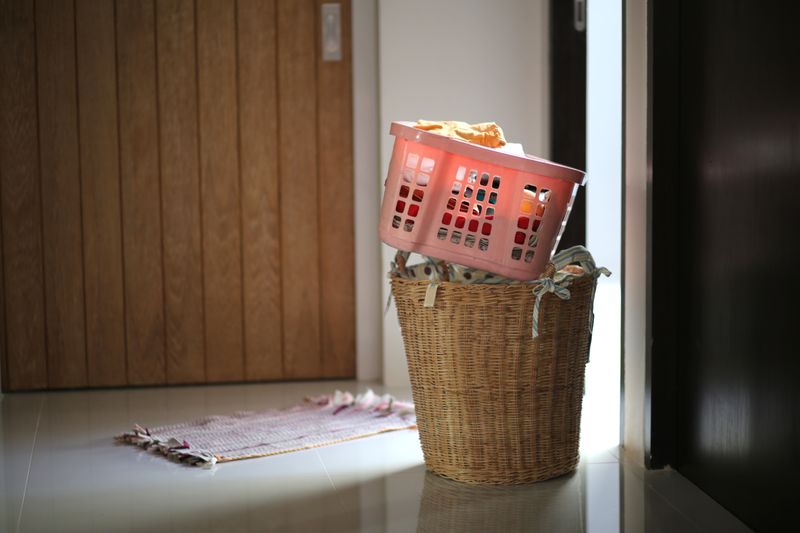
Laundry volume rises steeply with children, and each cycle uses water, energy and a share of the machine’s working life. Washing at lower temperatures, running full loads and drying without a machine where possible are the adjustments with the clearest effect.
When it is going badly, tumble drying is among the most expensive routine household activities in many places, and it becomes a daily habit in wet seasons. Baths, showers and the general increase in hot water use are the other large component and are largely a matter of duration. Dishwashers and washing machines used constantly wear out sooner, which is a capital cost that rarely appears in any household budget.
Things wear out faster
Carpets, flooring, door handles, taps and furniture in a house with children reach the end of their lives considerably earlier. That is a predictable cost rather than bad luck, and treating it as a fund rather than a series of emergencies changes how it feels.
Choosing replaceable and repairable versions of high-wear items is usually cheaper across a decade than choosing the best-looking one. Damage that is fixed immediately stays small, and damage that is left tends to become a larger job later. Anything protecting a surface, from a mat to a cover, is cheap relative to the item it is protecting.
The bills nobody compares
Households rarely revisit tariffs, insurance and recurring services once children arrive, because there is no time to do it. An annual review of the recurring costs, done once and written down, tends to find more money than most attempts at daily economy.
Insurance in particular is often left unchanged while the contents of the house and the risks have both altered substantially. Tariffs, switching arrangements and any available support differ enormously between countries, so the specifics have to be checked locally.
Support schemes for energy costs and for families exist in many places and are frequently unclaimed simply because nobody checked eligibility.
Space costs money
A larger home costs more to heat, to maintain and to furnish, and those costs continue long after the reason for moving has passed. The rooms in a family home are rarely used evenly, and heating and lighting the whole house at once is where much of the cost sits. Storage is a genuine need with children, and it is worth distinguishing from the assumption that more rooms are required.
Efficiency measures pay back over different periods depending on the building and the climate, and the advice that applies where you live is what matters. Any decision about moving for space is worth costing across several years rather than against the immediate discomfort.
Take what is useful and ignore the rest — nobody is marking this.
What actually reduces it
The measures that work in family homes are the ones that survive being tired, because anything requiring daily discipline lapses within a fortnight. Timers, thermostatic controls and appliances that default to the efficient setting all remove the need for anybody to remember anything.
On a normal day, full loads, lower temperatures and drying without a machine are the habits most worth building because the volume is so high. Involving children in the mechanics, including reading a meter, tends to work better than instructions about turning things off. Reviewing the whole thing once a year is more effective than a burst of effort each time a bill arrives.
The takeaway
Budget for wear as well as bills, review the recurring costs once a year, and choose fixes that work when you are tired.
Most of parenting is repair, not perfection, and repair counts.
Questions readers ask
Why did our bills rise more than expected?
Usually because the house went from empty during the day to occupied, rather than because of the extra person. Occupancy drives heating and lighting more than headcount does.
Is there any help with energy costs?
Schemes exist in many countries and differ completely between them, and eligibility is often wider than people assume. Check what applies where you live rather than assuming you do not qualify.