Early Years
Babies are not taught to crawl, and floor time does most of the work
Gross motor milestones arrive through maturation plus thousands of failed attempts. Most of the equipment sold to help subtracts from the attempts.

There is a short answer about baby motor development and a useful one, and they are not the same. What follows is the useful one.
The short version
- Unrestricted time on the floor is the main input a parent controls.
- Some babies skip crawling entirely and develop typically.
- Age of first steps has no useful relationship to anything later.
Maturation sets the timetable, practice fills it in
Rolling, sitting, crawling and walking depend on nerve and muscle development that proceeds largely on its own schedule. What practice does is let a baby work out how to use each new capacity as it arrives, through an enormous number of failed attempts.
That is why babies with more free floor time tend to move sooner, and why no amount of encouragement helps a baby who is not there yet. The published ranges for each milestone are wide, and health services publish their own, which is a better source than an app.
Containers subtract floor time
Bouncers, seats, swings and walkers hold a baby in a position they cannot get into or out of by themselves. Every hour in one is an hour not spent pushing up, reaching, toppling and rolling, which is where the learning actually happens.
Baby walkers are restricted or actively discouraged in several countries on injury grounds, so check what your health service says. They are genuinely useful for keeping a baby safe while you shower; the only issue is the total.
Tummy time is a strength programme
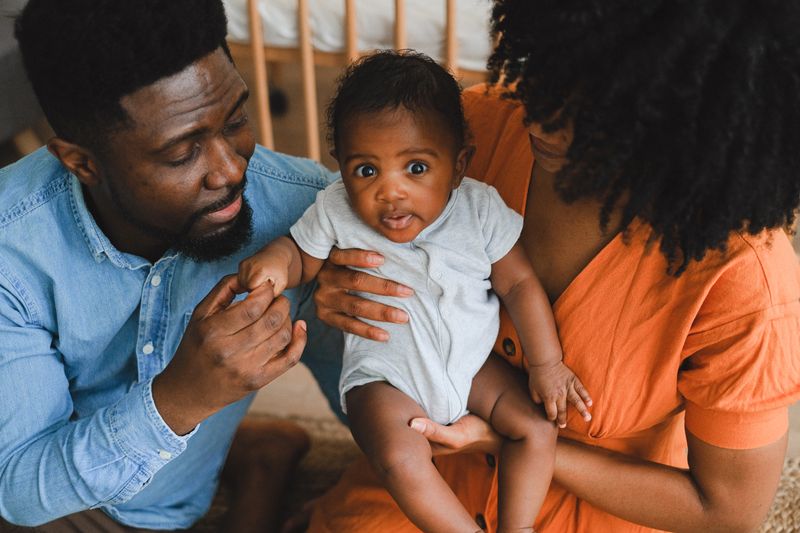
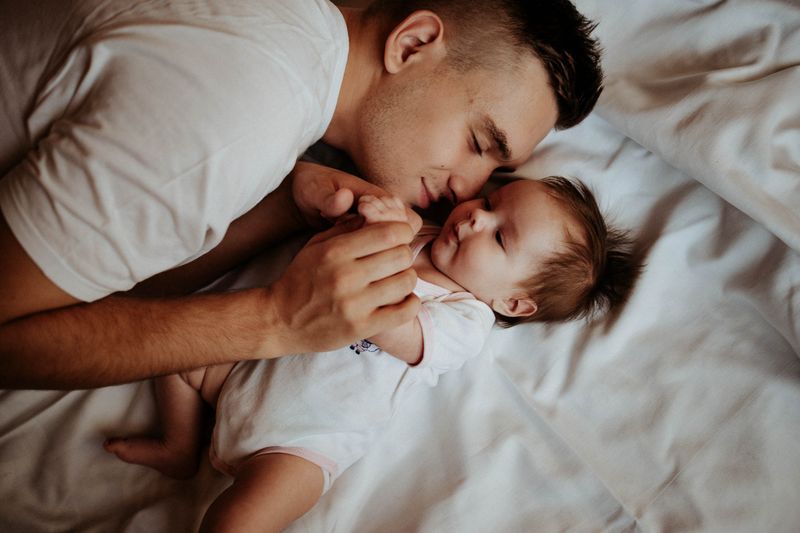
Lying on the front builds the neck, shoulder and trunk strength that everything later depends on, and most babies object at first. Short frequent sessions work better than long ones, and lying down face to face with the baby makes it far more tolerable for both of you.
Carrying positions and lap time on the front count towards the same thing. Since safer sleep guidance moved babies onto their backs to sleep, waking tummy time became the deliberate replacement for what once happened by default.
Crawling is optional
Some babies bottom-shuffle, some commando crawl, some pull straight up and walk, and all of these fall within the typical range. Claims linking crawling specifically to later reading or coordination are not well supported. What matters is that a baby finds some way of moving themselves towards what they want.
The absence of any self-initiated movement is the thing to raise, not the absence of a particular style.
Walking early predicts nothing
Age of first steps has no useful relationship to later coordination, sportiness or intelligence, and it is the most compared and least informative milestone available. Shoes are for outdoors and protection, and barefoot indoors gives better grip and sensory feedback while walking is being learned. Expensive first shoes buy fit, which matters, and not development, which they are often sold on.
In practice, a child who walks at nine months and one who walks at seventeen end up in the same place.
Take what is useful and ignore the rest — nobody is marking this.
What to raise with a professional
Persistent stiffness or floppiness, a strong preference for using one side of the body, or losing a skill already gained all warrant assessment. A flattened head, or a head consistently held to one side, is worth mentioning early because it is much easier to address early. Health visitors and paediatric physiotherapists see this constantly and would far rather look at a typical baby than miss an atypical one.
Babies born prematurely are usually assessed against corrected age, and asking which age is being used prevents a lot of unnecessary worry.
The takeaway
Put them on the floor, out of the seat, and let the failed attempts do the teaching.
You are allowed to do the easier version tonight.
Questions readers ask
How much tummy time do we need?
Health services publish a target that increases with age. Little and often, folded into nappy changes and play, is far more achievable than a single block.
Do jumpers and walkers help babies walk sooner?
No. The evidence points the other way if anywhere, and some carry safety warnings. They are containment rather than training.