Parent Wellbeing
Grief Does Not Get A Slot In A Family Week
A parent who is bereaved returns almost immediately to a schedule that cannot pause, which delays their own grieving and makes it surface later and unpredictably.

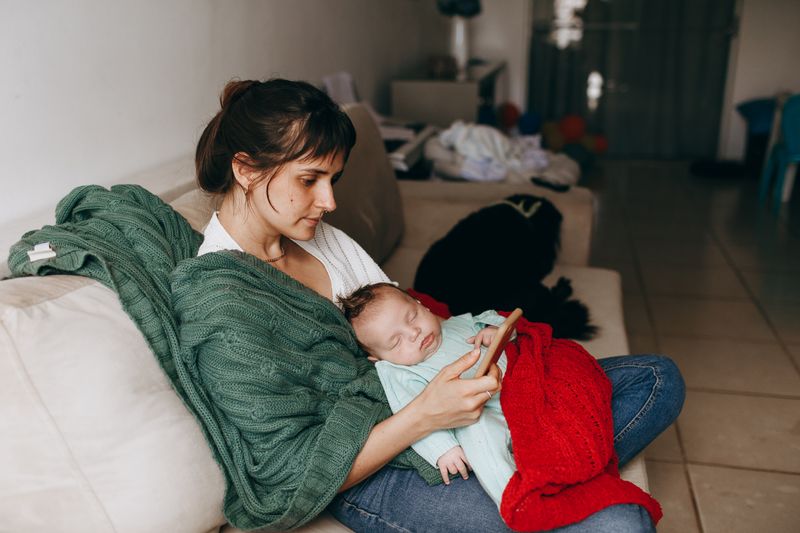
When a parent loses someone close, the household continues at full speed. School runs, meals and bedtimes do not pause, and the adult carrying the loss is also the person running them.
The schedule has no gap to grieve in
Adults without dependents can withdraw for a period. A parent generally cannot, because the tasks are time-bound and the people depending on them are children.
Bereavement leave from an employer is typically short and covers the funeral rather than the aftermath, which is the longer part.
The result is a return to routine within days, performed by someone who has not had an uninterrupted hour to process anything.
Managing children's grief displaces your own
Children ask direct questions at unpredictable moments, and answering them requires a parent to be composed exactly when they are least able to be.
Each of those conversations is genuinely useful for the child and genuinely postpones something for the adult.
Parents frequently describe having explained a death many times before having felt it once, which is a consequence of ordering rather than of denial.
Delayed grief surfaces at odd angles
Postponed grief does not disappear. It commonly appears months later as irritability, exhaustion, difficulty concentrating or a disproportionate reaction to something small.
Because the trigger seems unrelated, the connection is often missed by the person experiencing it and by everyone around them.
Anniversaries, birthdays and the holidays that were structured around the person who died are the reliable points at which it returns.
Help is usually offered in the wrong shape
Offers to talk are common and hard to use. What a bereaved parent typically needs is the removal of a task, delivered without a decision attached.
Specific offers work: taking a child to practice on a named day, or bringing a meal at a stated time.
Saying so plainly when asked is difficult and effective, and most people offering are genuinely relieved to be given something concrete.
Where support is a professional matter
Grief is not an illness, and most people move through it without clinical involvement, at a pace that is longer than employers or acquaintances expect.
Grief that does not shift over an extended period, or that comes with an inability to function, persistent hopelessness or thoughts of self-harm, warrants contact with a clinician.
Bereavement counseling, hospice-affiliated support groups and employee assistance programs exist for this, and using them is not a statement about how badly someone is coping.
Questions readers ask
My friends without children have drifted away. Is that normal?
Extremely, and it is usually about diverging routines rather than about anyone caring less. A low-effort recurring contact is often enough to keep the door open until schedules realign.
I do not have the energy for this. Where do I start?
One person, one recurring low-effort arrangement. Attempting to rebuild a whole social life at once is what makes it feel impossible.